8 Jul 2026
Animal Health Conference 2026 | Reshaping the Animal Health sector
The animal-health playbook is being rewritten, creating opportunities for investors.
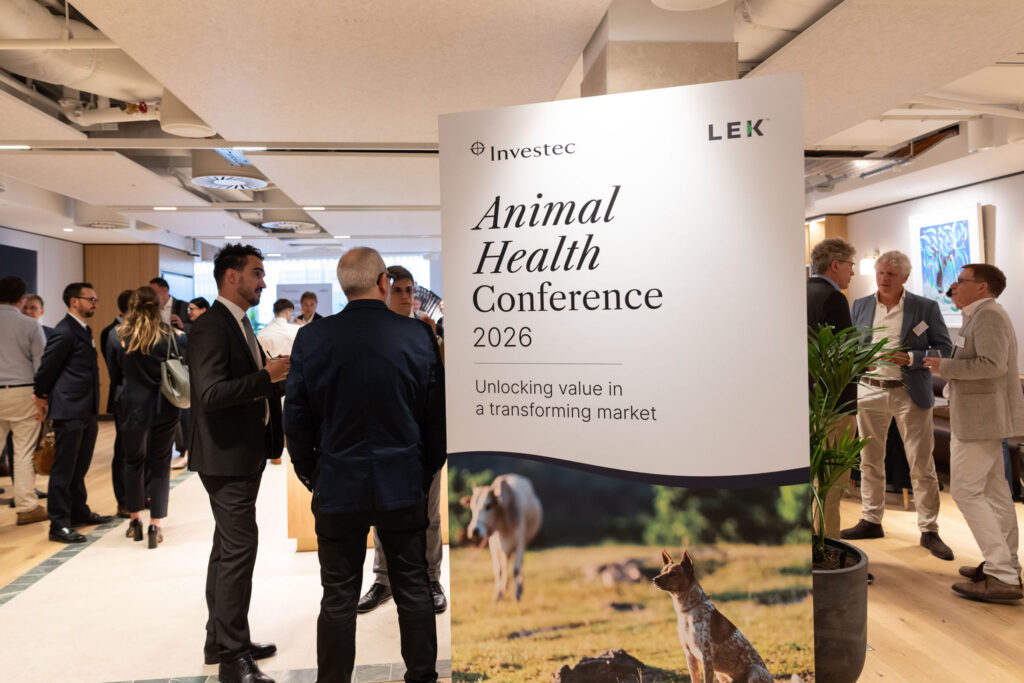
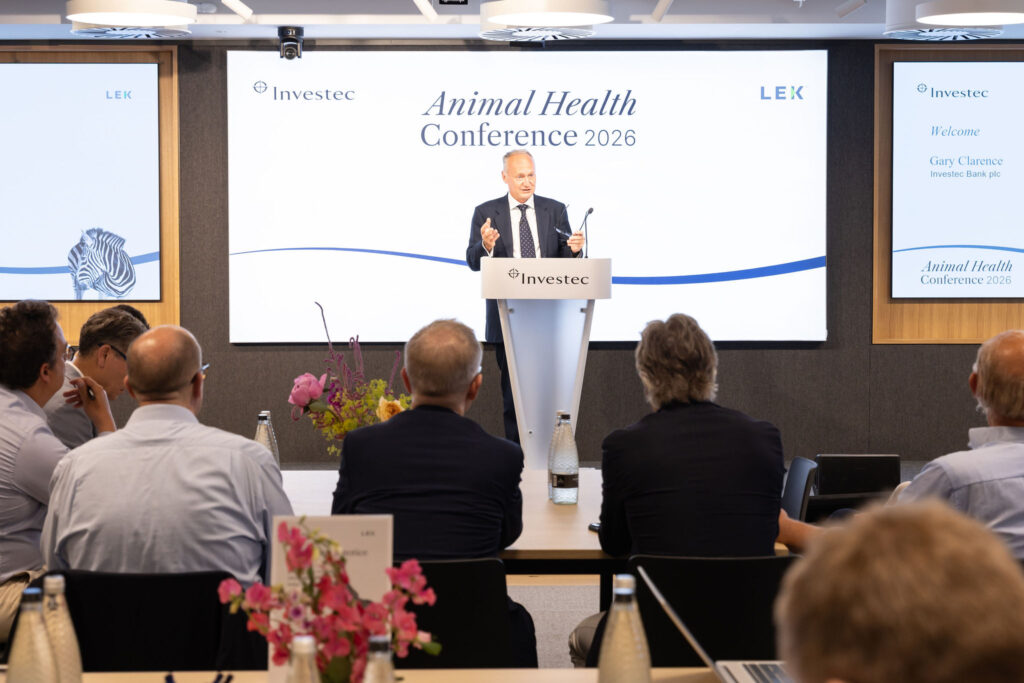
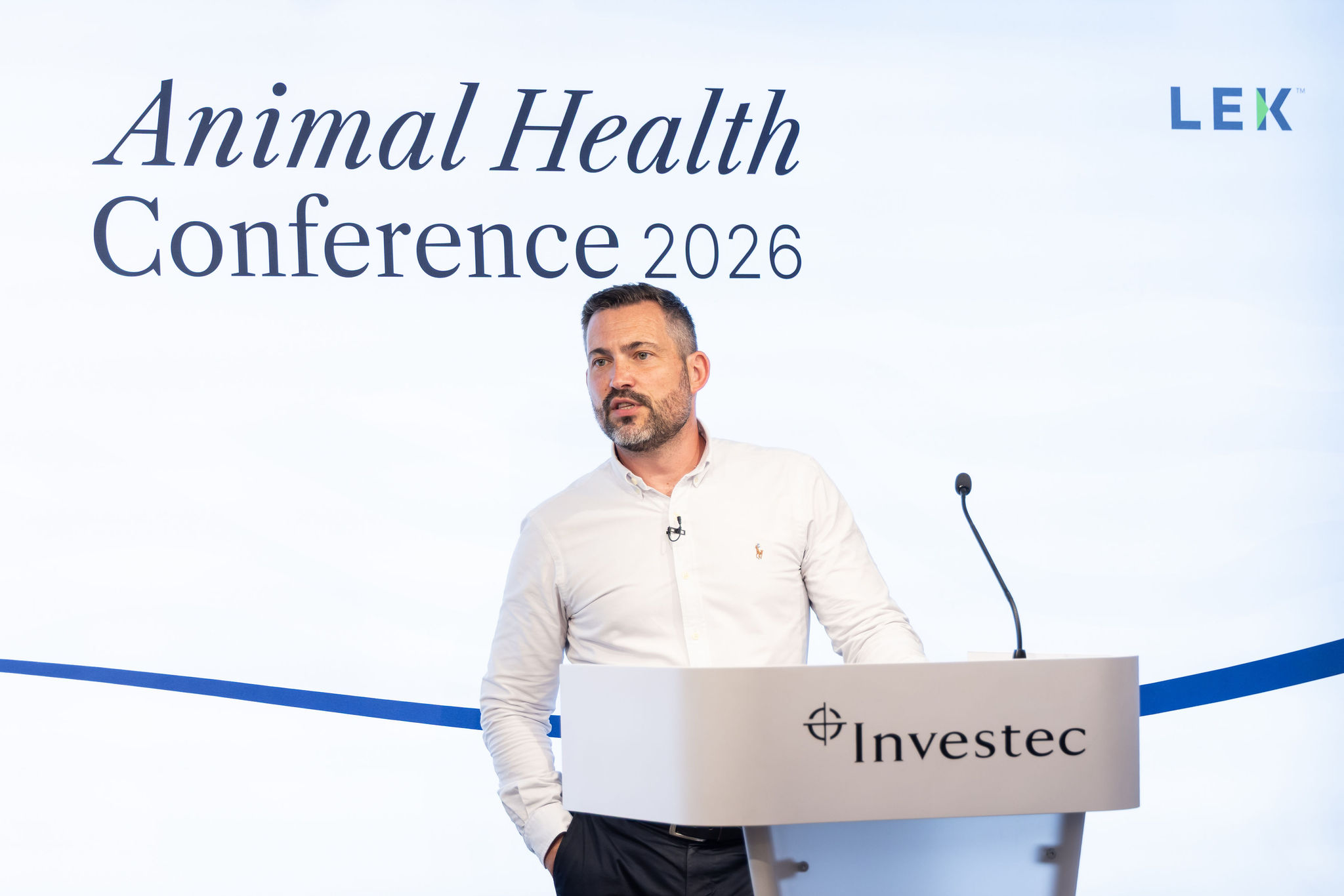
The animal-health pharmaceuticals sector is being reshaped by regulation, innovation and changing customer expectations. A joint event, hosted by Investec and L.E.K. Consulting, brought innovators and investors together to explore the structural changes now affecting the sector and discuss how businesses are positioning themselves for the next phase of growth.
Old assumptions no longer hold
The animal-health pharmaceuticals industry is growing. Excluding vaccines, the overall market is worth around $33 billion today, and is expected to rise to more than $40 billion by the end of the decade.1
But the assumptions underpinning that growth are changing.
Pet owners are paying more for higher-quality care
Pet owners are spending more on their companion animals. Librela, Zoetis’s monthly treatment for osteoarthritis pain in dogs, reached one million US pets in less than a year. Its uptake points to growing demand for premium therapies over legacy products.
According to Simon Middleton, Partner at L.E.K., pet humanisation – treating pets as members of the family – is “a structural shift, not a trend.”
“”– Simon Middleton, Partner at L.E.K.The assumption that owners would accept the same standard of care for their pets that they’ve always received is no longer valid. Owners are spending more, they are taking out more insurance, and they’re expecting more for their pets.
Regulation is reducing the routine use of antibiotics
Regulation is changing how vets, pet owners and livestock producers use medicines to manage animal health.
Rules aimed at tackling antimicrobial resistance in the US, UK and EU are progressively restricting blanket use of prophylactic antibiotics, which are used to prevent rather than treat infections. This puts companies already providing alternatives at a competitive advantage.
Innovation is accelerating, with technologies previously used mainly in human medicine now being applied to animal health. These technologies include monoclonal antibodies — laboratory-produced proteins designed to bind to specific disease targets. Adeno-associated virus (AAV) gene therapy, which is used to correct defective genes that cause rare inherited disorders, is also being explored.
The assumption that technology available to human medicine would stay in human medicine is already being tested. The innovation gap is closing faster than many expected, even a couple of years ago.
– Simon Middleton, Partner at L.E.K.
What is the future of the generics market?
Innovative treatment developers dominate the US market, accounting for about 80% of sales.
Globally, however, generics still have an important role to play. The generics market is worth $12 billion and is expected to grow at a compound annual growth rate (CAGR) of 2% for livestock and 6% for pets.2
Jacob Kurdziel, from Chanelle Pharma, which provides generics and over-the-counter medicine for both animal and human health, said generics growth will be fuelled by several major products approaching patent expiry towards the end of this decade.
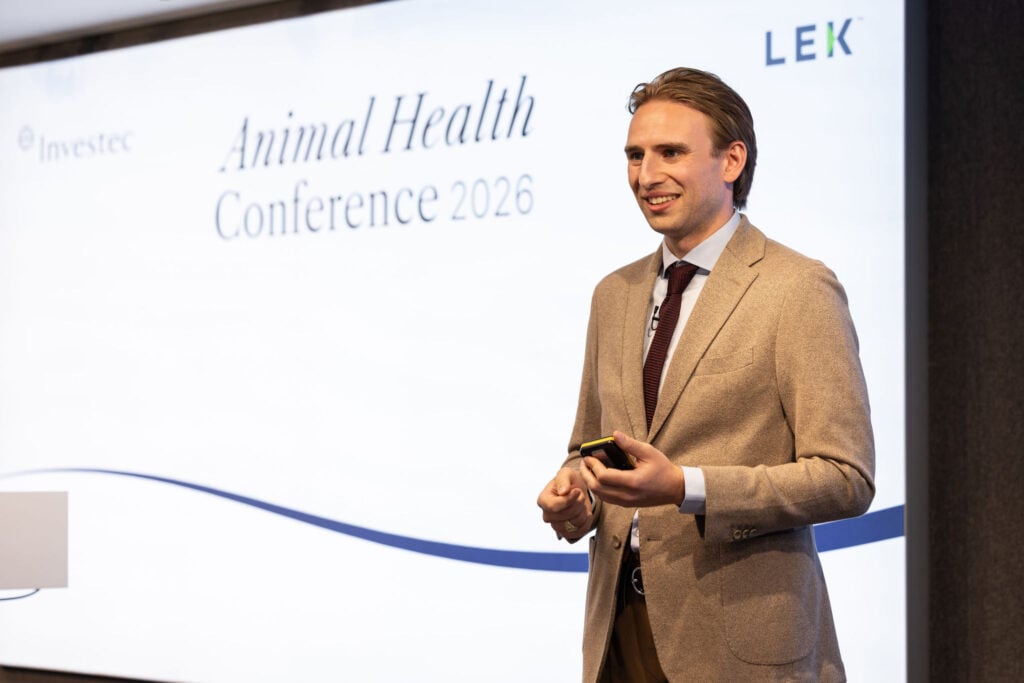
Several major products are approaching patent expiry, creating an opportunity for generic players to enter markets that were previously inaccessible to them.
– Jacob Kurdziel, Chanelle Pharma
Cost pressures are changing where owners buy medicines
Pet owners’ concerns about affordability are another driver of demand for generics.
One in two pet owners skip or decline veterinary care for their pets due to affordability concerns and nearly 60% of pet owners are concerned about the affordability of future care. Some have used credit cards to pay for treatment, while one in four considered giving up their pets. In fact, 80% of vets say that their clients often suggest they cannot afford the first recommended course of treatment.3
Kurdziel adds that younger pet owners are less tied to the traditional route of obtaining medication through a vet. He reports that as of 2025, 12% of US pet prescriptions are now being filled through online pet retailer Chewy.4 He said:

“”– Jacob Kurdziel, Chanelle PharmaOwners are used to going on Amazon, seeing transparent pricing and being able to compare one product with another.
How are companies adapting?
Drug makers are responding by investing in R&D, acquiring complementary businesses and simplifying their product portfolios.
Martin Gore, Director of Strategic Alliances and Acquisitions at Animalcare Group plc, says the company has streamlined its operations, reduced debt and increased margins, and is aiming to reach £150 million in revenue by 2030. The company bought Randlab (which specialises in medicines and supplements for equine vets) and has reduced its product range from more than 300 brands in 2018 to 163 brands by the end of 2025.
“”– Martin Gore, Animalcare Group plcWe looked at our portfolio and thought, ‘It’s far too much. Let’s focus on the top 10 brands and new products.’ We put nearly all our resources behind those and have seen really strong growth. Companies are responding by having focused portfolios, investing in innovation and acquiring strategically. We put nearly all our resources behind those and have seen really strong growth.
Some firms are targeting new markets. One is Alivira Animal Health, which operates across several countries and has traditionally focused on livestock. Alexis Goux, Director of Alivira’s Global Operations, says the firm is now moving into treatments for companion animals, and is using acquisitions to build up its capabilities.
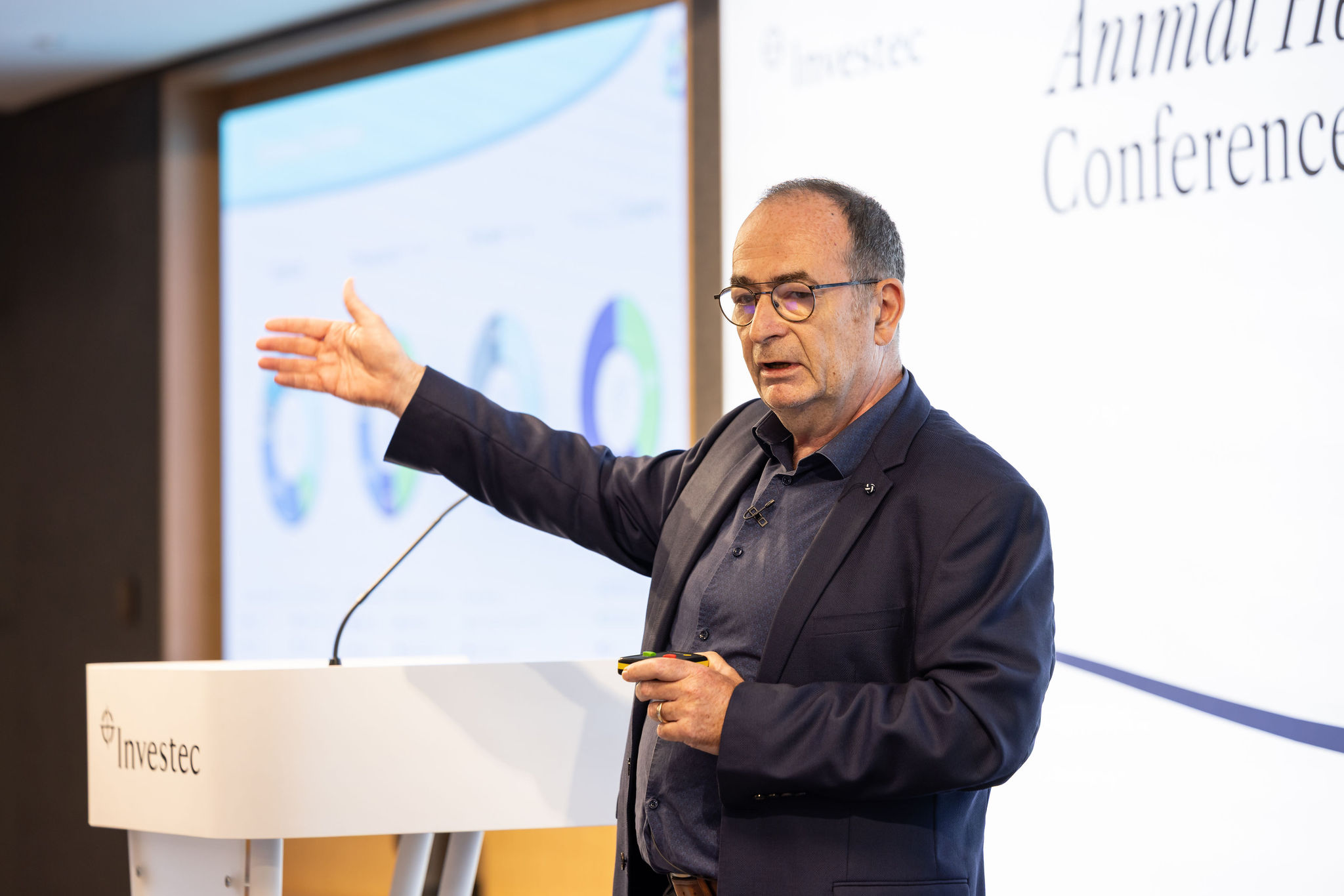
“”– Alexis Goux, AliviraWe develop products because we see value, and because we see gaps in the market. We are moving into pain management, dermatology and cardiology.
The ophthalmology push, he adds, is being supported by Alivira’s acquisition of the Italian animal health company BioForLife, which was completed in June 2026.
Companies need to act before the market settles
As the market shifts, value is moving towards companies that can combine products, data and customer relationships. Firms that run integrated care platforms, combining diagnostics and therapeutics, can shorten their regulatory cycles and increase customer retention. Demonstrating the effectiveness of a treatment in one species and then applying it to others – known as cross-species modality extension – can lower costs and regulatory risk. This can allow firms to file extensions earlier and gain scale advantages over time. Meanwhile, digital capabilities are becoming a clearer source of competitive advantage. Those that don’t build their own digital infrastructure risk falling behind on speed and cost.
Three structural shifts redefining where value is created and captured
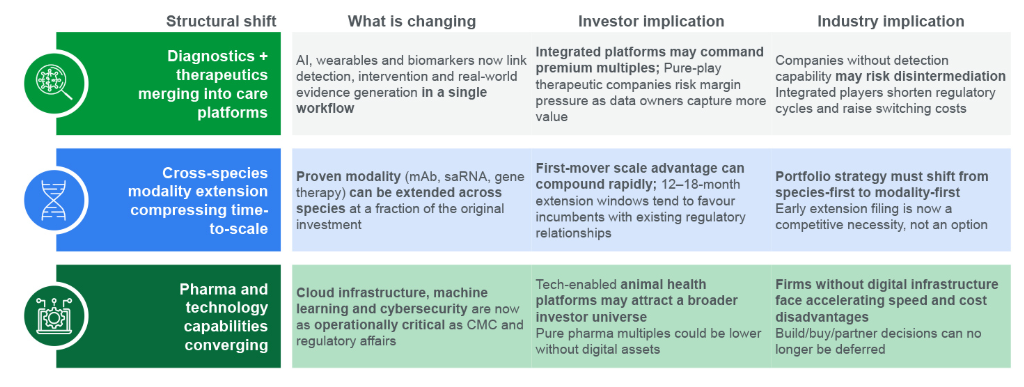
Source: L.E.K. research and analysis
“”– Simon Middleton, Partner at L.E.K.The companies that find themselves under the most pressure are not necessarily those that make poor decisions today. They’re the ones making no decision and waiting for the picture to become clearer before acting.
1 Source: Stonehaven Analytics
2 Source: Stonehaven Analytics
3 Source: Broker research; Market Research Future; Akston Biosciences (AXTN –S1/A)
4 Source: Broker research; Animal Tracks; Survey Says; Ruff Patch Continues
Gallery
View photos from the Animal Health Conference 2026