

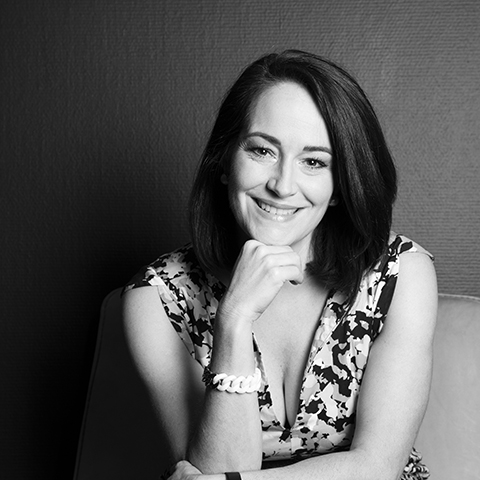
In episode 3 of Art in Focus series 2, Investec’s Tristanne Farrell invites curator Antonia Strauss, artist Aaron Philander and gallerist Brett Bellairs to unpack how technology is transforming not just into how art is made and sold, but how it’s experienced and valued. From AI to VR, African artists are engaging with tech and repurposing in new ways, challenging traditional notions of originality and artistic value.
Prefer to consume content on the go? Listen to the podcast version here
Podcast transcript: scroll to the areas that interest you
- TF: Tristanne Farrell, Investec Wealth and Investment International, Senior Investment manager
- AM: Anelisa Mangcu, Founder and Director, Under the Aegis
- SvdM: Shona van der Merwe, Co-founder RESERVOIR Projects
- EV: Emma van der Merwe, Director, Everard Read CIRCA Gallery Cape Town
00:00: Intro
TF: TF: Welcome to series two of Art in Focus, an Investec Focus Radio vodcast launched to coincide with the Investec Cape Town Art Fair, the largest contemporary art fair on the African continent. I'm your host, Tristanne Farrell. I'm a senior wealth manager at Investec Wealth and Investment International, and a passionate art collector.
Over the next few weeks, I'll be welcoming an extraordinary line-up of guests into my home: curators, collectors, and artists who are shaping the way we value and experience African art. In this episode, we're going to be chatting about the increasing influence of women in the art ecosystem, from gallerists, to artists, to buyers, women are shaping the African art scene, nurturing new talent, and defining what the next big movements might be.
In evidence of this, the latest Art Basel and UBS Survey of Global Collecting reveals a generation of women reshaping the market. The surrealist artists are leading the way with the surrealists nearly doubling since 2018, driven by female artists whose auction sales rose a staggering 411%.
01:05: Introduction of guests
TF: Let's meet my guests. I'm joined today by Emma Vandermerwe, who's the director and head curator of Everard Read Gallery, one of South Africa's most established and influential contemporary art spaces. Shona van der Merwe, who’s the co-founder and director of Reservoir, a dynamic gallery known for its bold programme and commitment to emerging voices and Anelisa Mangcu, who's a curator, gallerist and cultural producer, recognised for her sharp curatorial voice, and advocacy of young artists. Welcome to my home.
01:36: Guests personal journeys into the art world
TF: So I've been looking forward to this conversation for a very long time, and I want to thank you all for making the time around this time of year. We can start the conversation with all of you – and maybe more on a personal note – before we get into the curatorial voice. What was the moment that pulled each of you into the art world and what was the greatest failure that has taught you the best life lessons in your career? And maybe we'll start with Anelisa.
AM: Biggest failures or biggest lessons – every single day. There's no day where there isn’t a disaster of some sorts. And what's wonderful is I have my incredible colleagues here to my right who are always available to give words of wisdom, to show support. I don't think there's one particular failure that maybe I could highlight. Perhaps it was trusting somebody, not too long ago, a few years ago, who acquired a work, never asked for discounts, was prepared to make an acquisition. Immediately, we were so excited, trusted in it and I think two months later sold the work in the secondary market, at an auction house for quite a high price. And that kind of destabilised things for the artist, and the artist was furious with us. And they were extraordinary. And I think, you know, some things you can't control. Some things are really… you're caught off guard. And I think that was in the beginning stages of my career. That was a learning moment, but a failure in the sense that I haven't worked with that artist ever again because of, I think, that disappointing moment.
The moment for me where I knew this was an industry… I was always in the arts, I had a great grandfather who was a master socialist painter, George Pemba. And so I grew up in that environment and I was always exposed to the arts. I think maybe the moment for me was high school when I kind of started advocating for other mediums like photography, and I began to develop a voice for my classmates and myself, and I think I kind of knew then which path I would take.
TF: Okay. Brilliant. Shona, do you wanna follow on from that?
SvdM: Yes. I think, I mean, a lot of these moments start early on, like in high school, you know? Especially if you have the right teachers, the right kind of community that encourages that kind of thing.
For me, high school was… there was a moment definitely, we had an amazing art teacher, Marius Van Vuuren, he was very young, he had just graduated and he was the teacher at the Kimberley Art Centre, and a lot of amazing artists came from that same year, matric year, including Bronwyn Katz and Bonolo Kavula.
So he obviously had a big influence on us all choosing to become artists. Well that's my experience anyway. And then at university there was definitely a defining moment, there was a time in my third year when we… and I've told this story before, but we were approached as students, asking for volunteers to put up an exhibition at the Sasol Museum, which it was called at the time, and it was for the Wordfees Festival Artist, and that year it Wim Botha and he was doing this incredible, huge installation, and I bunked classes basically the whole week to help him and the late Andrew from Stevenson to install this incredible exhibition.
And just learning all the kind of the practicalities around curating was really important for me through that process, and seeing the kind of ins and outs and like the liminal spaces of the museums and the galleries, it was really special to kind of, at the same time sort of destabilise what you think it's about and really realise sometimes it's about like picking up a drill and you know, getting up on a scaffold, piece of scaffolding. And both Wim and Andrew were really big influences in shaping my career from there on.
In terms of failures, I don’t… It's hard to point to anything specific. I'm at a stage where I feel like I'm learning more from the positive sides of, ja, of partnership, of community, and I guess the only failure would be not having started to do this in my own way earlier on, but things happen in the way that they should, you know, at the time that they should.
TF: Great. Em, you?
EV: Defining moments. Well, I suppose like, like my contemporaries here and I just want to start by saying, so, these are three of my favourite people, in the industry.
Early on, I would imagine going to the Slate School of Fine Art, when I graduated from my baccalaureate, so that immediately put me in the centre of contemporary art, which was London during the YBAs, in the late 90s.
And then because I was at the Slade, I got offered a position with Andrew Renton, who's head of curation at Goldsmiths, so I was able to work with him after finishing my BA and my MA to work in contemporary London at that time with blue chip galleries.
And then another defining moment was just coming back here on holiday and coming back and going, my gosh, this art scene is so exciting, and so world class, I want to be part of it. So that was also defining, just choosing to sort of uproot us from London and move back here.
Failures. Hmm. I would say disappointments. And obviously in retrospect, you know, at the time you think something is a huge problem or a huge mistake or a huge disappointment, but it actually pays dividends. So I've always cited sort of like the biggest disappointments or failures as actually being the most grounding and with the most kind of world experience afterwards.
TF: You think you learn from failures. So failures in a good sense, you know?
EV: Exactly. And also I think, you know, sometimes the universe has other ideas planned for you.
05:48: Understanding the Primary and Secondary art markets
TF: So between the two of you, you've got experience in the primary and secondary markets. And for our listeners who don't know, the primary market is the place where the initial sales will take place, such as galleries, and the secondary market is where the secondary sales will take place through auction houses.
So Frank, how do the primary and secondary markets differ in their roles and pricing power, and would you say the secondary market regulates the pricing of the primary market?
FK: I think all markets are driven by supply and demand in the end. And information, and the development of the ecosystem around that information is very critical in determining the price of anything, like shares, you know, you get an analyst’s report, it's daily published and… Almost every company in South Africa at some point in time are overvalued and undervalued relative to it peers.
And the mere fact you bought it today doesn't guarantee that the price will go up in future. I think the art market, the pricing in the art market work very similarly.
At the primary market that Ashleigh is more qualified to talk about than me, they make the initial pricing and they work with the artists and they launch the artists into the market.
In the secondary market, we provide liquidity. Should that person decide to sell, who bought that work, in time… and it's extremely important that that liquidity mechanism is there because you can't expect the person to have an artwork for life. Taste change, things happen. And I think in the secondary market, there's another supply and demand equation that takes place. And, obviously, artist’s careers also develop over time and they have periods which are higher rated than other periods.
When you're in the primary market where Ashleigh and them are, it's more difficult, you try and build show on show on show, get more collectors in, build a brand, take them to international things, and slowly, but surely build the market, and I think that is fantastic.
At the secondary market, we can't do it, but what we can do is to take cognisance of where that artists are relative to his peers, what's happening in the world, and then we do pricing accordingly.
So, I think in a perfect universe, you know, we just continue where the gallery sort of stop, maybe, especially if artists is not producing anymore. The reality is, the secondary market is significantly impacted by external factors that has almost nothing to do with the quality of the artwork or the artist itself.
07:19: Strategies for establishing authority
TF: A hundred percent. Em, I’ll stick with you. You've built credibility over decades. What strategies helped you establish authority in rooms where women… they weren't always designed for women.
EV: I think it's a combination of factors. Obviously coming from the contemporary art scene in London immediately gave me, for want of a better description, more sort of international experience and expertise than maybe some of my counterparts here. But, credibility comes with, I think, humility and experience. So the decades speak for themselves, you know. After a while, you know, one inserts oneself into many conversations and familiarity with people and the passage of time also serves to kind of accentuate your qualities and you know, the way in which you behave in the industry then has a ripple effect.
TF: You build your confidence over time.
EV: Confidence, but also like you know, the way in which you conduct yourself professionally, the way in which you demonstrate your ability as a curator or a gallerist or a consultant, you know, that steers you ahead in terms of feedback and the way people address you.
08:21: Discovering and elevating new artists
TF: Shona, I'm gonna move to you. So with Reservoir, how do you discover new artists and do you consciously try and elevate female artists or young artists within your gallery?
SvdM: Ja, it's a question that we get a lot, and it's always an interesting one to answer because I feel like identifying artists is very similar to the process sometimes of coming up with ideas for art. You know, it's the same way that an artist responds to.
Certain ideas that intrigue them or Certain materials that they find have value in some way or certain histories that they want to look at. There's a, there's a kind of intuitive response that you can feel immediately, which comes with time. I think what Emma was saying now, also with like that experience that comes over time, it's like you have to, um,
Ja, it’s about looking and we all have the same access to digital spaces and to studios and et cetera. But it's about your own personal style, I guess. So for me it’s… I've really just responded to things that I love personally.
I think a lot of what Heinrich and I focus on at Reservoir is looking at artists, not necessarily like the newest thing, but also artworks that have been overlooked, artists that have been practicing for, you know, five or 10 years, and then recontextualising those works again. So that's been what's led to a lot of the success of our programming so far.
In terms of female artists, it's interesting, it's not that we consciously try to elevate female artists. But most of our solo exhibitions have been by female artists, and that's just because of the merit and the conceptual rigour and the technical ability… Bella Knemeyer is one of our, of our artists.
Anna van der Ploeg is currently producing an incredible 11 x 7 metre mural at a wine farm, which, ja you know, it relates to one of those questions about, you know, artworks that you would covet and that you would want for yourself, but this is something that no one else could ever have because it's in situ.
But ja, in terms of female and young artists, I also think it's important to mention that emerging artists and young artists can be such different things. You know, I have like tremendous respect and we've worked with a lot of artists who have often, you know, gone back to making art full time later on in their lives again, you know, gone back to do their masters and that doesn't necessarily mean championing a young artist, but someone who's young in rededicating their lives to art.
TF: And Anelisa, I'm gonna move on to you. We’ve got a lot to cover. What does nurturing an early career artist actually look like day to day? And how do you balance giving them space to experiment with preparing them for the realities of the market? And maybe as per Shona’s question before, do you have a focus on elevating female artists?
AM: I mean, I don't know if it's intentional, but I think naturally one, one puts focus on people who mirror them in many ways, and I'm interested in seeing the female voice be explored a little bit more on various walls. Because I can relate to many of those stories. And so maybe in many ways I am putting women in the forefront.
Day to day, I think it's just about building relationships. Artists are people too, so they have plenty of things that they need to do with their lives.
Obviously when it's closer to a show, we're a little bit more, hands-on with their needs, their process, with regards to building their body of work, maybe some of their insecurities. Where we can really add value, we express that we would like to do such and such, or maybe this is our vision in which we would like to bring some kind of publicity or visibility to the artist prior to the show opening.
But day-to-day it really is about being a friend, I think there has to be a medium of sorts, so you have to be professional, but I think you can never really get anything out of anyone without investing proper time and really understanding them.
And as I said, these are not machines. These are human beings, and so there's multiple things happening in their lives. And so I am a little bit more hands-on on the life aspect of it.
12:03: Women-led galleries and curatorial perspectives
TF: So Emma, let's carry on with you. Do you think women-led galleries have a different curatorial lens, or is it a stereotype that oversimplifies the work?
EV: I think it's a stereotype. I mean, I think that there is a sensibility and an understanding that perhaps, for want of a better description, biologically women bring to the table that men don't, and then, in turn, you know, men bring something different as well. But I can only speak on behalf of myself as a woman. I think there's a kind of a heart-centred, emotionally intelligent investment that I make that is based on many factors about my personality, but also many qualities that I have, I believe I have, as a woman. So yes, I mean, I think that there is some of that, but at the same time, I don't think it's the over-prescribing element of it. I do feel like, in the southern continent, you know, women artists, female-identifying artists are holding their own against their male counterparts. And so, with that in mind, it makes sense that they should be placed in first-tier galleries and shown at art fairs and taken abroad.
TF: So staying with that, would you say that African art has lost its runway from your vantage point, within the market? Or is there a slow down, a consolidation? Is something happening there that there's a shift or momentum movement to another theme? Let's say?
EV: You know, we should be asking this question after the Venice Biennale opens, because I think, you know, obviously that's being curated by the director of Zeitz, the late Koyo, and that I'm sure will have, you know, her DNA, her African DNA, embedded in that curation. There’s cycles and there’s, for want of a better description, favourite trends, but I think that more important than trying to nail down whether Africa is becoming less popular is to understand that African artists are taking their place internationally, and not just being defined by the geography.
TF: We discussed this on another vodcast where we said the gallery’s are also defining themselves internationally, so it loses that connect back. Shona, do you have a view on this, where you see the market shifting? Because you do a lot of business in Africa itself?
SvdM: I think it's just become so much more decentralised, like Emma is saying as well, it's not about it being, you know, located in the major cities, first of all, like it used to be in New York, London, Hong Kong. But shifting towards places like Cape Town, like Lagos, like Mexico City. It's just becoming much more… Ja, I think collectors are also becoming more interested in travelling and exploring these places. So looking towards the Cape Town Art Fair, you know, around the corner, we already can see the kind of groups of collectors that are coming here in person to experience work. So it’s not so much anymore about the geography or the geographical location of the artist. I think those markets are just… not shifting away from those major cities, but just expanding from them.
TF: How are the African galleries competing on the international markets? It's a question for all of you, so I don’t know if you want to start that.
EV: I mean, I think the majority of… I mean, the majority of galleries don't just want to be defined as African galleries.
TF: But you've got an international presence as well.
EV: Ja, we do. We have a gallery in London. But we're always striving to kind of, you know, exemplify what this continent has to offer, but not under one specific umbrella. And you know, it is exciting and reassuring to see local artists being picked up by international blue chip galleries. You know, not because of where they come from, but the calibre of their work.
SvdM: I completely agree, ja. There's so much nuance. I mean, I know Tristanne, you often travel to Zimbabwe as well, for example, and just seeing the difference in, you know, how studios operate in Zim versus in South Africa. I, mean, you do a lot of studio visits in South Africa as well, there’s just… there's such particular nuances to each, each and every one. I mean, that's just two small spaces mentioned out of the whole continent.
TF: And Anelisa, on your gallery?
AM: My gallery's still a baby. Like we're still young. We're still young, but I was fortunate to work for a gallery before I opened my own. And through that I definitely feel like we… I have had a lot of international exposure and presence and ability to put together incredible booths and then coming to my own, it's quite interesting how I try to operate.
I really try to keep Under The Aegis as its own – I know I'm very much attached to it. And then the curatorial work that I do on the side, obviously my gallery benefits from it, but I also try to do things separately where I can work with other institutions, because collaboration is so important in our industry.
Sometimes you just need the right curator for something and that person happens to be a gallerist or happens to be working for a museum and you just want to bring them into a certain project because it's just a perfect fit.
TF: So watch this space, effectively.
AM: And I'm so glad to have Shona. I mean, she has an incredible international presence. I mean, one doesn't need to say that much about Emma, we all know.
TF: We’re getting to Emma.
AM: But what has been interesting is watching somebody who's a lot more seasoned in the game than I am, move, as she does, in the industry and still has the capacity to make time for someone who's kind of still a newbie in the game and seeing somebody who I believe I'm close in age and kind of experience with, who travels a lot and and really takes such huge risks in Europe. I'm in no rush, to be honest.
And I… this is the kind of pressure that I get from most people where they're constantly asking, when am I going to this city to show? And I just said, it has to be a gut feeling because we dive… we put so much of our personal lives into the work that we do. The first thing we need to create balance, but also it's okay to take our time,
17:59: Collaboration and support within the art ecosystem
TF: I'm blown away by how you've all said there's so much support for each other within the ecosystem.
EV: It is worth mentioning as well. I mean, we're talking about how we’re pushing ourselves outside the continent, but you know, like an example with Reservoir, ARCO Madrid actively sought to include them in a certain section of their Fair. And that was an incredible booth that you did their, you know. So, the galleries are being sought out as well.
TF: I’m on a lot of these women's forums at Investec, and the big thing is acknowledging each other's wins and supporting each other. And I think you guys do it so naturally it's amazing.
AM: It really is about that. It might not be publicised a lot, our general support of each other as gallerists and institutions, but I think you can definitely see it in the beginning kind of stages of entering a convention centre to open up a fair, we are sharing tape, we are sharing boxes, we are sharing drivers, we are sharing ladders and there's just support… we can see when someone maybe hasn't eaten or can’t move because they're waiting for a supplier. And then we come in and we hold each other down. And I think that's the magic.
19:10: Building relationships with collectors
TF: So how do you build and maintain relationships with collectors, especially encouraging more women to collect with confidence?
EV: You remain present and active and authentic and honest. You know, I have a lot of collectors that I work with who don't just buy from our gallery. They buy from the majority of galleries, and I get asked my opinion about other galleries’ works as well. And I will always prioritise the understanding and ethos of their collection ahead of, you know, competition.
You know, like Anelisa said, we are a community, we are an ecosystem. And the more we all thrive together, then the stronger that the collector base will grow. So how do I bring women in? I don't know, actually. I think it's just a natural talent.
TF: I was going to say, I can answer that for you…
EV: Well, why don't you answer that…
TF: When I was first buying art from you, you were very open with a colleague of mine and myself, and you sent us catalogues, you invited us into the gallery, you were so open that it wasn't intimidating or scary. And then when we liked something, we weren't scared to say, we really like this. You know? And the same with Shona. I mean, when we started collecting back in your early gallery days…
SvdM: Ja, absolutely. But I really… this is something that I learned from Emma and it’s… It was something that was quite difficult while I was working at other galleries, to do, but is that holistic way of collecting, of really getting collectors and encouraging them to go and buy the sculpture from the other gallery, you know, that they really want, because you're supporting them as a person and in their journey of collecting.
And I think that honesty and that authenticity is worth so much more than constantly trying to like wheel and deal and only plug your own artists or the artists that you work with. Constantly we are getting people coming into the gallery and they're telling me that Ashleigh from WHATIFTHEWORLD sent them over after they were there, you know? So there is this real sense of support and I think with women, they honestly already… I have a lot of female collectors who are already quite bold with the way that they collect and it's just about always bringing them in behind the scenes, showing them the things that they might not, you know, see otherwise. And just making them feel comfortable.
TF: I think information is key, like the more information they have, they can make a quicker decision.
EV: And it is a relationship with a capital R. So it's like, so it's not just a business transaction, it's not just, sort of like a relaying of information or ideas. You know, you are working to grow a friendship and an understanding and a trust, and that, you know, like Anelisa was saying, you know, that kind of, connection with people, that kind of authenticity. If it's not authentic and it's not real, and it's not coming from a place of centredness and care, then people aren't going to trust you.
21:48 Mentorship and cultivating a community
TF: So, Anelisa, I'm going to broaden that question for you. So, I want to know, mentorships a big theme for you. How do you cultivate relationships not only with the artists, but also with aspiring female collectors or curators? And how can women in the art world support one another more effectively, which I think we've covered a lot of.
AM: I think it's about transparency. Who do you want to be in this community? Who do you want to be in this industry? Others might want to be known as the collector who has the most works of such and such, and that's okay to say. Does it feel like maybe they might have too many works and some would drown the artist in the market? Maybe, but maybe they just believe in the person.
So it's important for people to just be transparent about what they want. Some people have been scared before when they see, you know, that figure on the catalogue and they say, listen, I'm travelling, I don't have much space in my bag.
I don't want to handle shipping right now. Could you do… I just want something small like memorabilia that I could get. And I'm like, go to AVA. Go to AVA, because outside of the incredible work that they have, they have little creative blocks. Just go buy it. Just like explore, have a good time, take it, put it, in your bag, and then maybe when you have more time and maybe more patience or you know, a bigger budget to spend you'll definitely come back and look at not only my gallery but all of our galleries.
And a lot of the time they send emails or WhatsApps and say, we're on our way, we're coming back to Cape Town. And then you have more time with them. And so women are a little bit more interactive.
But I do wanna say the men do also pull through. I do want to highlight that they do often, send texts and let us know that they're interested in something or this artwork hasn't left their mind, is it still available? And if not, is there something similar. So I think it's just about a friendship, just communication, keeping in touch.
TF: So Shona, just on that subject, for our viewers who aren't familiar with how a gallery and an artist operate, how do you maintain those relationships with your artists?
SvdM: So it actually looks very different nowadays. It used to be very traditional in the sense that galleries would represent a set number of artists. And they would offer them solo shows, group exhibitions, and the works would sell. And what happens then is that a gallery keeps a commission from that sale, and then they pay the artists their commission. And traditionally that split is 50/50. So… but in a case, like, Reservoir and Anelisa's gallery as well, we don't represent artists necessarily in the traditional way. So we work with a broader network of artists.
So, sometimes you'll add artists into curatorial projects, but it's not like you're paying them a salary. You're paying them from sales. It does often happen that an artist would need help with a production, so with framing or with materials beforehand.
Sometimes this can get deducted from sales. Sometimes this can be seen as a gift from the gallery. But the important thing is that that is established from the beginning and the artist knows if they're getting into debt or what the agreement is. And so, that's what we talk about when we say transparency.
AM: It changes a little. If I call Emma and I say, I have to work with your artist for this particular show, they embody this theme, please, can we… please, can I show them, or rather show their work. And then Emma will say, don't worry, we will manage framing, for example. And then the gallery will take a cut or gift it to the show, I guess. But let's say then the artist definitely has to get a 50.
There’s never lower. That's crazy. And then maybe between Everard Read and Under The Aegis, there might be a… Everard Read might take 15, I might take the remaining fee because we had some form of agreement. They not only maybe managed that artist in the production process, but also framed it and delivered it to me. You know what I mean? So that’s just kind of how we do it.
TF: And do your artists sign contracts?
AM: Yes. A consignment agreement.
EV: A consignment agreement in that we acknowledge we've received the work, but I always maintain… I mean, our kind of philosophy at the gallery is, is we don't need a written contract if we're doing our job properly. But yeah, I mean it’s, I… we do a lot of work between the galleries, you know, sort of asking for PDFs or examples of artist work…. the commission structures and the payment structures all very organic.
But I mean, you know, like Shona has very articulately pointed out. You know, I think you enter into a relationship with an artist with a very clear, transparent agenda.
You know, we sometimes pay artists on a regular basis. Sometimes artists ask for advancements when they're trying to put a show together. I mean, one has to remember if an artist is doing a large exhibition, they're putting aside their livelihood for six, nine months.
That means they're not generating very many sales. So often, and, you know, depending on the circumstance, the gallery will front the money for bronze casting or will pay in advance. When you're talking about third party, you know, bronze casting foundries, I mean it costs so much money.
And, you know, you want your artist to materialise his objects, you want to place them, and I think we can all agree, like if the work's physically in front of the collectors, you have a much stronger chance of generating a sale. So I think we all do what we can to make that happen.
27:02 Defining an artist
TF: So I actually went to watch Emma on a panel recently, a few months ago, and everyone was asking questions. You always get too scared to ask the question you want to ask. And I said to Emma afterwards, and I'm gonna pose this question to all of you now, what makes an artist an artist? Is it because you can create or because you can sell your work? And everyone's dead silent…
AM: I'm like, that was loaded… Now I have to think.
EV: No, no, no, no. Well, I've had more time because obviously I was asked this question. I think an artist is an artist when they can't exist in the world without making work. I think an artist, if they can't contextualise themselves, if they can't live and breathe and function without being creative and expressing themselves, then they're an artist.
SvdM: Ja. Honestly, it's a bit of a hazard to say this because art professions depend on this, but it would be much better if art didn't have to be sold ever. You know, I really don't think it's about the sales whatsoever. In South Africa, unfortunately, the way that that our ecosystem is set up, it's the only way for artists really to survive is to sell. And I also think that makes for really good work because artists are pushed to create more regularly and, you know, maybe have less time for sort of fallow thinking time. But I would say it's definitely the ability to create and also the… there's a sense of ambition to have to show the work as well.
AM: I think it’s when that's where your mind constantly drifts to. Some people just don't have the capacity to make, for whatever reason, we may never know… maybe, one of the greatest artists is just not in this industry and there's just something restricting them.
I don't think it means they're not a great artist, or they don't have capacity one day in another lifetime to create something. Sometimes there are just so many things in the way, blocking them from doing it. I think it's when you're constantly, your mind's just drifting. Then I know you are… you're an artist or you’re artistic.
30:51 Curatorial voice and career highlights
TF: Okay. So, on the same panel where I heard Emma speaking, she was referred to as the Godmother of the South African art scene, which I thought was hilarious. What context of godmother did you prefer?
EV: I prefer the Martin Scorsese one…
TF: Ja. not the fairy godmother. And what was the moment you realised you had found your curatorial voice, and what advice would you give other women looking to make their mark in the art world?
EV: I think I’ve had kind of important seminal moments where I've sort of felt like, you know the ambitions of the exhibition and the artists were met and exceeded. So I've had a few moments along my career. There wasn't sort of one main moment.
Certainly working with Willem Boshoff and then when I did the Standard Bank show for Beth Diane Armstrong, those were also very, very important exhibitions for me. But they continued to be moments. Was there one seminal moment? I don't know.
I suppose just being able to suggest ideas and then people, you know, bounce off that. You know, to be able to kind of walk into another person's gallery and have interesting, and, you know, pertinent conversations quickly, get stuff done, you know, like be able to implement things.
TF: And Shona, what lessons did you learn, or what highlights can you mention from building a gallery from the ground up?
AM: Like too many. Too many to mention.
SvdM: I think we… similar to what Anelisa said, working in other galleries, just… there’s so much of a roadmap that you get from that, especially the potholes that you need to avoid.
And I think one of the most important things that I've learned is that transparency with artists, but also just efficiency and treating artists like professionals, you know, paying them on time.
It's such a… it seems like such a basic thing, but it's such an important part of trust in the relationship. And I think that leads to a lot more sort of pure forms of collaboration when you are, like Emma said, quick. You know, you need to act, you need to be responsive and act quickly.
And, unfortunately in the art world, because there are fewer regulations and sort of fewer rules, and we sort of seem to have made things up as we go along, these things can fall by the wayside, the boring kind of administrative things. So we talk a lot about curation, but most of it is just running a business.
The rest is definitely relationships. I mean, we couldn't have started Reservoir without already having a big network of artists who trust us and who are willing to say yes to projects. You know, you kind of pitch a few random things to people over the years and, them having said yes and committing and sort of, you know, we all kind of close our eyes and just go for it. That's the thing that… the risks that we've taken together have paid off.
31:29 Daily drivers and inspiration
TF: And in one word, can you each tell me what drives you each day? Emma always chooses two or three, so we'll start with Anelisa, maybe…
AM: People. People. I get the opportunity to see people every single day. I mean, naturally we all do, to work with people I respect and admire, to work with people who create things that are on walls that I like. My family, friends. I don't think there's one particular thing. And it also changes from time to time. But ja, life, being able to live life and, you know, none of us know how long we're gonna be here for, and so trying to make the best of it.
TF: Shona?
SvdM: Sho. Ja. I must say I'm very fortunate to have such an equal partner in Heinrich and we have a lot of fluctuation, you know, so when he's up and I'm down, you know, we can always kind of pull each other through. So for me, like, in terms of the business side of things, you know, not the reason for getting up in the morning, but getting to work, at least. It's been massive having someone who you can be, not defer, deferring to and you're not not overly deferring, but not overly like directive either. He’s a super good sounding board and we can be really good… really honest with each other. And ja, actually we've started a little collective of young galleries as well. So there's a… there’s a real sense of like… it's called New Cape Town Galleries. And so there's a real sense of like… there's something about this new generation of dealers that's also super exciting for us to, ja, to keep motivated.
TF: And Em, you?
EV: I've got two very different answers.
TF: Okay, more than one word, clearly.
EV: So the first is the creative energy, and the community in Cape Town, it's palatable. So you wake up in the morning, you know, there's things out there, you know there's potential, you know there's creatives, you know there's something undiscovered. You know there's things to find and to work with. That's the first thing that motivates me, that like, that energy that's permeating through the air. And the other thing that motivates me is the haters.
TF: The haters? I like that.
33:41 Art collections and personal favourites
TF: I want to know what art hangs on your walls at home. I want to know what you live with every day. So we'll start with you.
EV: So I have a beautiful Brett Sealer portrait of me, which I'm very, very much in love with. I mean, I have the benefit and I think we're all probably in the same position where we get gifted a lot of work. So I have everything that's on my walls, for the most part, has been gifted to me from an artist that I've worked with.
And what's so wonderful about that is it kind of inspires memory and association. I have some beautiful pieces that I've recently invested in, a small urn by Diego Rodriguez and some conceptual works by Matt Watt. And I also have a Dali, a Dali print in my kitchen.
TF: Okay, so follow that. Shona,
SvdM: Ja, I must say it's a real occupational hazard, like being around art so much because once you start, you do get gifted a lot of artwork. So you get used to the idea of having artworks around and then you start buying them, and then suddenly you're committing to things that you know you need to pay off over a couple of months.
But a lot of it is from artists I've worked with over the years. So Inga Somdyala, I have a beautiful work by Anna van der Ploeg in our dining room, John Geiger, Pierre Vermeulen, but then also from previous galleries, Simon Stone, Marlene Steyn, Georgina Gratrix. Ja, a lot of really incredible works.
And then most recent purchases was a Stephané Conradie sculpture from the Michaelis auction, which I really want to encourage people to buy from.
TF: When she first first did it on the Michaelis grad show, I bought one of hers. And Anelisa, what's on your walls?
AM: To be honest, nothing that I own because I just need some space to sometimes not see the art. But what I have, which is on a wall, is a Luvuyo Equiano Nyawose, in the Motherhood show at Iziko Museum. So that's up there. That's on loan. I just got back my Talia Ramkilawan from Johannesburg. I loaned it for a show. Qhamanande Maswana, Patrick Bongoy, Lwando Dlamini… These are also, I had to like clean my storage thing not too long ago, so I was like looking and reminding myself of works that I own.
TF: No Lulama’s?
AM: I have a Lulama Wolf, actually, from the early stages. But ja, I do try and invest in the artists that I do work with, not only from showing their works, but even if I get a really generous discount, it's important for me to just know that I bought it. You know, I am really, really blessed. Buqaqawuli Thamani Nobakada, I had commissioned her to do a work for something and it looks very different to her works now, but I have a work of hers, it's really large from the beginning stages of her career. So that’s great. Can I afford her works now? Maybe not, but back then I did.
36:49 Dream art acquisitions
TF: So on that note, I have a final question to all of you. We are asking every person doing the vodcast for Investec Focus Radio this question: If budget was not an option or problem, which artist would you buy personally for your collection?
SvdM: I think, ja, it's one of those things where I personally don't have a wish list, because I feel like it has to be, for me, at least an artist that I have a connection with or that… but the other thing is, and I'm not being pious by saying this, but I really think that art that has that kind of value, if it's worth that kind of value, and it's not just because it's overinflated, should be in public collections, you know? So you could rather say that if you had given me an unlimited budget, I'll tell you which ones I would like donate to museums, basically.
EV: I agree.
TF: Ja. You could be like the Vogels and donate it in your estate.
SvdM: Ja, exactly.
EV: Well, I think that this particular artist is already in multiple collections internationally, but I remember in ’95, I went to the White Chapel Gallery in London and saw Kiki Smith. So I would gladly hand over any amount of money I had, and one of my organs, to have a Kiki Smith, preferably from the Rapture series. If anyone’s listening.
AM: Hint. hint. Just a simple hint. So subtle. Athi-Patra Ruga for sure, a really big tapestry that would be great in a wonderful space. A William Kentridge. I, think you can never go wrong with William's work. Who else? Billie Zangewa, I worked with her not too long ago.
EV: I’ve changed my answer, these all sound totally realistic,
AM: They are realistic.
TF: I said Cecily Brown, oil on canvas, two metre by two metre.
All: Oh, you’re very specific. She's got dimensions. You're very specific.
TF: Just putting it out there if anyone's listening.
AM: This episode should be called the hint.
38:52 Conclusion and closing remarks
TM: So guys, thank you so much for your time and for joining us. It's been a great discussion. I hope I'll be seeing all of you at the Investec Cape Town Art Fair. And in closing, thank you to all our listeners for tuning into this specific edition of Investec Focus Radio’s vodcast series, Art in Focus.
I look forward to seeing you all at the Investec Cape Town Art Fair from Friday the 20th to Sunday the 22nd of February. You can also find all these episodes of the series on investec.com/artinfocus, or wherever you get your podcasts. If you've enjoyed this episode, please rate it, leave a comment, and forward it to your friends and colleagues.
Find out when a new episode drops, subscribe to the Investec Focus newsletter
Disclaimer
Focus and its related content is for informational purposes only. The opinions featured on the site are not to be considered as the opinions of Investec and do not constitute financial or other advice. The information presented is subject to completion, revision, verification and amendment.
Browse further in