
Slowly Turning Up The Dimmer Switch
11 May 2020
Flicking the switch back to normality will overload the system, it is clear we need to gradually reintroduce the power.
4 min read

11 May 2020

Economic Data, in the form of Purchasing Manager surveys, continued to plumb new depths. The latest Services PMI dropped to 13.8, and Construction fell to an unheard of 8.2. This could well represent the low, given the impending emergence from lockdown, but even sharply recovered future readings will not in themselves reveal the low underlying level of activity compared with the pre-Covid period. The Bank of England held policy unchanged, but two members were in favour of increasing QE to the tune of £100bn (currently £645bn). Its forecast for the economy is now for -14% GDP in 2020 followed by +15% in 2021, with inflation falling to around zero, before recovering to the 2% target in 2022. But the risks are skewed to the downside.

Non-farm payrolls declined by 20.5m in April, with the household employment measure falling 22.4m, a little better than expected. 16m of the losses were classified as temporary. We’ll see about that. The Unemployment rate came in at 14.7%. It will rise further. Interestingly, Average Hourly Earnings rose 4.7% m/m, owing to the fact that the bulk of job losses were in lower paid sectors.
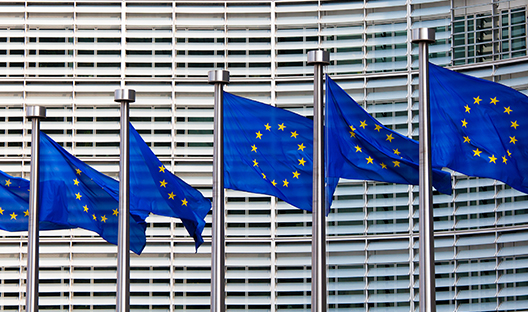
Germany’s Constitutional Court ruled that the ECB’s asset purchases (dating back to 2015) were unlawful. This doesn’t even cover the latest Covid-related asset purchase programme. While the European Court of Justice has previously upheld the ECB’s actions (and would probably do so again), this is a worrying aspect to the current crisis, revealing a continuing lack of unity within the EU. This, in turn, could hamper the speed of recovery.

Source: FactSet

Source: FactSet