
Global Economic Overview – April 2026
The war in Iran is now approaching the eight-week mark. Whilst the conflict, for the moment, has moved from military action to diplomacy there is still no end in sight to the closure of the Strait of Hormuz, the critical issue for the global economy. The developments largely fall within our previous base case assumptions though and as such our estimates for global growth are unchanged at 3.0% for 2026 and 3.1% for 2027.
The war in Iran is now approaching the eight-week mark with the extended ceasefire still holding and the diplomatic overtures leading energy prices lower. Even so this will only soften not negate the inflation impact. More pressing for the global economy are supply issues with the crucial Strait of Hormuz still closed, a situation that will present increasing problems for the global economy if not addressed soon. Nonetheless the cessation of military action and with the US and Iran on a diplomatic path, albeit a delicate one, the situation has arguably improved relative to March and largely falls within our previous base case assumptions. As such our estimates for global growth are unchanged at 3.0% for 2026 and 3.1% for 2027, with only minor changes for individual economies.
The impact of the Iran war is starting to be felt by American consumers, with gasoline prices averaging above $4/gallon. In the short-term a bumper tax refund season will act as an offset. However this will only support incomes in the first few months of the year, after which we expect consumption growth to slow on account of higher gasoline prices. The extra pressure on household finances will certainly not help the Republicans’ efforts ahead of the midterms. Despite the increase in price pressures, we doubt the Fed will respond by raising interest rates, although we expect that interest rate cuts are off the table. But much depends on the reaction function (to both potential political pressure and inflation risks) of the new Fed Chair, assuming that Kevin Warsh is confirmed by the Senate. Lastly, we have only made minor downgrades to GDP growth to this year and next, now at 2.1% and 1.9%, respectively.
The rise in energy costs due to the Iran conflict will weigh on economic growth in the Eurozone. But the impact should be much smaller than in ‘22/’23, mainly because gas price rises are, to date, far smaller. It will not hit evenly: the reliance on fossil fuels differs widely across countries, improvements in energy efficiency have not proceeded evenly and government help measures vary too. This month, we have kept our ’26 GDP growth forecast unchanged at 0.9% but cut our ’27 forecast by 0.1%pt to 1.7%. Even if the low unemployment rate exaggerates the strength in the jobs market, it still looks sufficiently tight for the ECB to want to hike rates to prevent higher inflation from becoming entrenched. But the ceasefire reduces the urgency to make that judgement, so we now expect rate hikes only in June and July rather than in April and June.
Our assessment of the impact of the Iran conflict is as follows. We see CPI inflation rising to 4.0% in Q3. This is 1.0% higher than pre-war levels and 1.7% above our forecasts before the conflict. This is not 2022, when inflation hit 11.1%. Front contract UK gas prices are at 113p per therm, not 660p as they were then. Pay growth is modest, at 3.2%, as labour market slack helps to constrain wages. Also, monetary policy is mildly restrictive – the current level of the Bank rate is 3.75%, against 0.5% at the start of 2022. Although the yield curve is still pricing in higher rates, we expect the MPC to maintain the current stance this year and to lower the Bank rate to 3.00% next. We still expect sterling and gilts to come under (temporary) pressure if the 7 May local elections prove to be a bloodbath for Labour, as markets speculate over a change in leadership and a dilution of the government’s commitment to fiscal stability.


For more information contact our economists

Philip Shaw
Chief Economist
I head up the Economics team for Investec in London after joining in 1997. I am a regular commentator on the economy and financial markets in the press and on TV. I graduated with an Economics degree from Bath University and a master’s in Econometrics from the University of Manchester. I started my career in the Government Economic Service at the Department of Energy before joining Barclays as an economist/econometrician.

Ryan Djajasaputra
Economist
In 2007, I joined Investec as part of the Kensington acquisition, before joining the Economics team in 2010. I provide macroeconomic, interest rate and foreign exchange analysis to Investec Group and its corporate clients. After graduating with a Bachelor’s degree in Economics from UWE Bristol.

Lottie Gosling
Economist
I joined the London Economics team at Investec as a graduate in September 2023. I graduated with a Bachelor’s degree in Economics from the University of Bath with a year-long placement working as an Economic Research Analyst at HSBC.

Ellie Henderson
Economist
I joined Investec in February 2021 as part of the London Economics team, providing economic advice and analysis for the company and its clients. Before joining Investec I worked as an economist for Fathom Consulting, where I predominantly focused on China research. I hold a Bachelor’s degree in Economics from the University of Surrey, as well as a Master’s degree in Economics from Birkbeck, University of London.
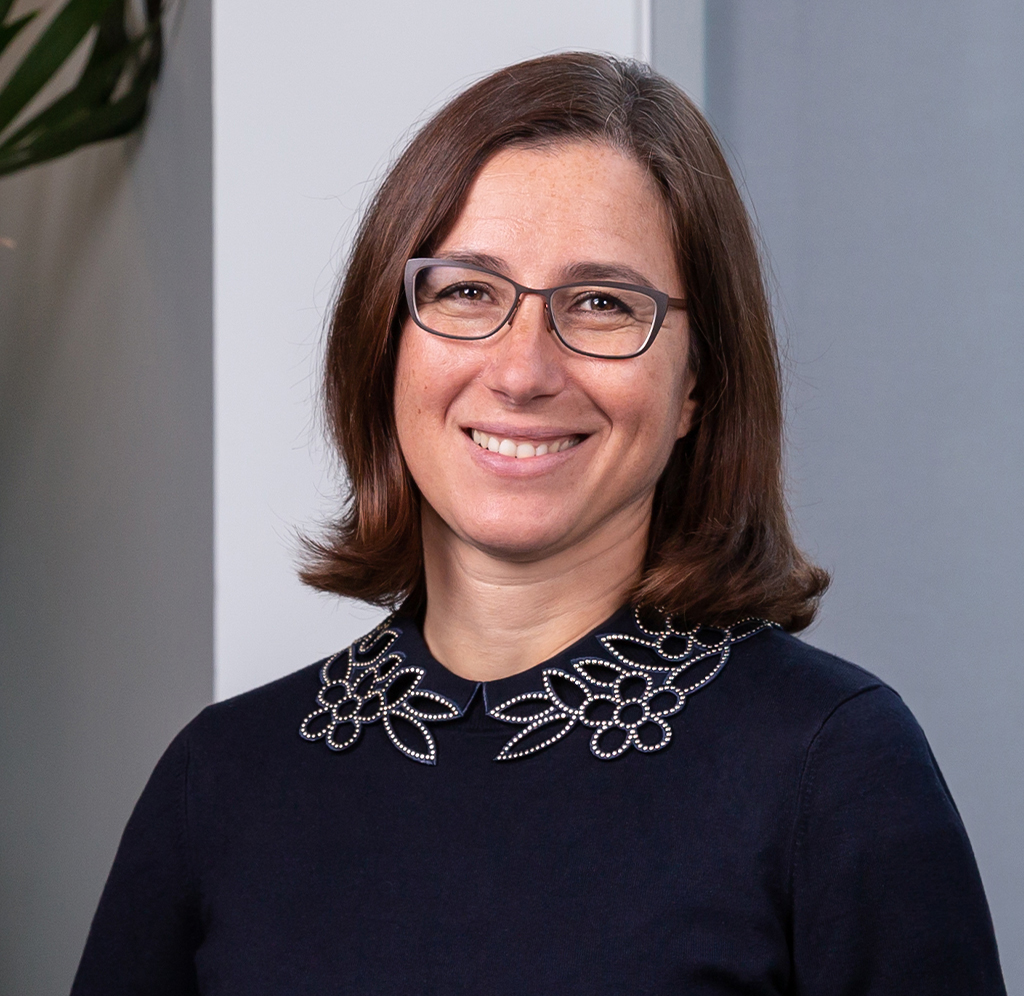
Sandra Horsfield
Economist
I am part of the London Economics team, having joined in 2020, providing macroeconomic analysis and advice to the Investec Group and its clients. I hold a Bachelor’s and a Master’s degree in Economics, both from the London School of Economics. I have over 20 years’ experience as a financial markets economist on the buy and sell side as well as in consulting.
Philip Shaw
Chief Economist
I head up the Economics team for Investec in London after joining in 1997. I am a regular commentator on the economy and financial markets in the press and on TV. I graduated with an Economics degree from Bath University and a master’s in Econometrics from the University of Manchester. I started my career in the Government Economic Service at the Department of Energy before joining Barclays as an economist/econometrician.
Ryan Djajasaputra
Economist
In 2007, I joined Investec as part of the Kensington acquisition, before joining the Economics team in 2010. I provide macroeconomic, interest rate and foreign exchange analysis to Investec Group and its corporate clients. After graduating with a Bachelor’s degree in Economics from UWE Bristol.
Lottie Gosling
Economist
I joined the London Economics team at Investec as a graduate in September 2023. I graduated with a Bachelor’s degree in Economics from the University of Bath with a year-long placement working as an Economic Research Analyst at HSBC.
Ellie Henderson
Economist
I joined Investec in February 2021 as part of the London Economics team, providing economic advice and analysis for the company and its clients. Before joining Investec I worked as an economist for Fathom Consulting, where I predominantly focused on China research. I hold a Bachelor’s degree in Economics from the University of Surrey, as well as a Master’s degree in Economics from Birkbeck, University of London.
Sandra Horsfield
Economist
I am part of the London Economics team, having joined in 2020, providing macroeconomic analysis and advice to the Investec Group and its clients. I hold a Bachelor’s and a Master’s degree in Economics, both from the London School of Economics. I have over 20 years’ experience as a financial markets economist on the buy and sell side as well as in consulting.
Get more market insights
Stay up to date with our insights hub, where our dedicated experts help provide the knowledge to navigate the currency markets.
Browse articles in
Please note: the content on this page is provided for information purposes only and should not be construed as an offer, or a solicitation of an offer, to buy or sell financial instruments. This content does not constitute a personal recommendation and is not investment advice.